Cardiac Surgery in Lake Charles, Louisiana
Personalized Heart Surgery with Academic-Level Expertise & Small-Hospital Attention
Cardiac surgery is never “one-size-fits-all.” Every procedure is tailored to your anatomy, risk profile, and long-term health goals. As a cardiac surgeon in Lake Charles, Dr. Daniel L. Beckles offers advanced options—from traditional open-heart surgery to minimally invasive heart surgery in Louisiana—designed to improve safety, durability, and recovery.
Many patients travel for heart surgery in Southwest Louisiana to receive focused care without large academic center complexity. If you are seeking a CABG surgeon near Houston or valve repair in Louisiana, our team can coordinate records, imaging, and travel for a smooth experience.
Serving patients across Southwest Louisiana, Southeast Texas, New Orleans, and the Caribbean.
Hospital Services with Dr. Beckles
- Coronary artery bypass grafting (CABG) and minimally invasive CABG
- Valve repair & replacement, aortic surgery, and aneurysm repair
- Hybrid Maze procedures for atrial fibrillation
- Heart failure, reoperative, and emergent cardiac surgery
- Bloodless cardiac & thoracic surgery strategies
Discuss your diagnosis, test results, and options in a calm, focused visit—either in person or by video when appropriate.
Comprehensive Cardiac Surgery, Tailored to You
Every heart and every story is different. Dr. Beckles designs each operation around your anatomy, risk profile, and long-term goals—whether you need coronary bypass surgery, valve repair, aortic aneurysm repair, or reoperative cardiac surgery after a prior operation.
Coronary Surgery
- Coronary Artery Bypass Grafting (CABG)
- Minimally Invasive CABG (MICS)
- Off-pump CABG (OPCAB)
- Hybrid Coronary Revascularization (HCR)
- Multiple Arterial CABG
Valve & Aorta
- Valve Repair & Replacement (Aortic, Mitral, Tricuspid)
- Minimally Invasive Valve Surgery
- Aortic surgery and aneurysm repair
- Atrial Fibrillation Surgery (Maze & Hybrid Convergent Maze)
- Left atrial appendage closure
- Transcatheter Aortic Valve Replacement (TAVR)
Complex & Reoperative
- Heart failure surgery
- Reoperative cardiac surgery
- Hypertrophic Obstructive Cardiomyopathy (HOCM)
- Atrial Septal Defect (ASD) congenital repair
- Emergent cardiac surgery
Care for complex, higher-risk cases with clear, honest discussions for you and your family.
Schedule a Cardiac Consultation
Discuss your diagnosis, test results, and options in a calm, focused visit—either in person or by video when appropriate. Our team can coordinate records and imaging from cardiologists in Southwest Louisiana, Southeast Texas, Houston, New Orleans, and beyond. Prefer to call? Contact our office and request a consultation with Dr. Beckles for cardiac surgery in Lake Charles.
Key Cardiac Procedures Performed by Dr. Beckles
As a cardiac surgeon in Lake Charles, Dr. Daniel L. Beckles provides a full range of heart surgery services for patients across Southwest Louisiana, Southeast Texas, and beyond—from coronary artery bypass grafting (CABG) to complex valve repair and aortic surgery.
Coronary Artery Bypass Grafting (CABG)
What it is: CABG is a surgical procedure that creates new pathways for blood to flow around blocked coronary arteries using vein or artery grafts. It is one of the most studied and effective treatments for advanced coronary artery disease.
Who it’s for: Patients with multiple blocked coronary arteries, left main disease, diabetes with multivessel disease, or those who are not ideal candidates for stents alone. Many patients are referred from cardiologists in Southwest Louisiana and Houston for CABG surgery in Lake Charles.
Why it’s performed: To relieve angina (chest pain), improve blood flow to the heart muscle, reduce heart attack risk, and improve survival in appropriate patients.
Recovery overview: Most patients spend several days in the hospital, including time in the ICU, followed by a few weeks of recovery at home. Cardiac rehabilitation is often recommended to support safe return to activity.
Risks & safety: As with any major heart surgery, risks include bleeding, infection, stroke, heart attack, and lung or kidney issues. Dr. Beckles uses meticulous technique, evidence-based protocols, and careful pre-operative evaluation to reduce risk wherever possible and to support a safe recovery.
Minimally Invasive CABG
What it is: Minimally invasive CABG uses smaller incisions—often between the ribs—instead of a full breastbone incision, when anatomy and disease pattern allow. Not all patients are candidates, but it can reduce pain and speed recovery in selected cases.
Who it’s for: Patients with specific artery blockages and body shape that allow safe access through smaller incisions. Your cardiologist and surgeon will review angiograms and imaging to decide if minimally invasive heart surgery in Louisiana is right for you.
Why it’s performed: To restore blood flow to the heart while potentially reducing incision size, hospital stay, and return-to-activity time compared with traditional surgery in suitable patients.
Recovery overview: Many patients experience less discomfort at the incision site and may return to daily activities somewhat sooner, though every recovery is individual and still requires careful follow-up.
Risks & safety: All heart surgery carries risk; minimally invasive access adds its own technical considerations. Dr. Beckles has been performing this procedure for over a decade and will only recommend this approach if he believes it is safe and appropriate for your specific condition.
Valve Repair & Replacement
What it is: Valve surgery repairs or replaces heart valves that leak (regurgitation) or are narrowed (stenosis). Whenever possible, Dr. Beckles emphasizes valve repair to preserve your native valve, especially for mitral valve disease, but safe replacement options are also available.
Who it’s for: Patients with significant valve disease on echocardiogram who have symptoms, changes in heart size or function, or specific high-risk features—even if symptoms are mild. Valve repair in Louisiana is often recommended before heart damage becomes advanced.
Why it’s performed: To restore proper one-way blood flow, relieve symptoms such as shortness of breath and fatigue, and prevent heart failure or arrhythmias related to chronic valve problems.
Recovery overview: Valve surgery recovery is similar to other open-heart operations, with a hospital stay followed by home recovery and possible cardiac rehab. Long-term outcomes are often excellent when performed at the right time in the disease course.
Risks & safety: Risks include bleeding, stroke, infection, rhythm issues, and valve-related complications. Dr. Beckles will review the differences between mechanical and tissue valves, blood thinner needs, and long-term expectations to support an informed decision.
Aortic Surgery
What it is: Surgery on the aorta—the main artery leaving the heart—to repair aneurysms (enlargements), dissections (tears in the wall), or other structural problems. This may involve replacing part of the aorta with a graft, often combined with valve surgery when needed.
Who it’s for: Patients with aortic aneurysms, genetic connective tissue disorders, bicuspid aortic valve with aortic enlargement, or acute aortic dissection. Many are identified on echocardiogram or CT scans before symptoms occur.
Why it’s performed: To prevent life-threatening rupture or progression of dissection, and to stabilize the aorta for the long term.
Recovery overview: Recovery is similar to other major open-heart procedures, with close monitoring in the ICU, gradual mobilization, and follow-up imaging to confirm repair stability over time.
Risks & safety: Aortic surgery is complex, with risks that include bleeding, stroke, heart attack, paralysis, and organ complications. Patients benefit from careful blood pressure control, detailed pre-operative imaging, and a thoughtful surgical plan tailored to their anatomy.
Hybrid Convergent Maze Procedure for AFib
What it is: The Hybrid Convergent Maze procedure combines minimally invasive surgical epicardial ablation (outside the heart) and electrophysiological endocardial ablation (inside the heart), aiming to restore normal rhythm or reduce the burden of atrial fibrillation (AFib).
Who it’s for: Patients with persistent and longstanding AFib who may have undergone previous catheter ablations and who may benefit from rhythm control efforts in a combined approach.
Why it’s performed: Studies have shown improved outcomes compared to catheter ablation alone and can improve symptoms related to AFib, support better heart function, and potentially reduce stroke risk when combined with other standard therapies, as appropriate for each patient.
Recovery overview: Recovery follows the course of minimally invasive thoracic surgery (often 1–2 days of hospitalization). Medication adjustments and rhythm monitoring are common after surgery as your heart heals.
Risks & safety: The Hybrid Maze procedure carries risks of bleeding or recurrence of AFib but has proven safety in experienced hands. Decisions are individualized based on your rhythm history and overall risk profile.
Maze Procedure for AFib (During Open-Heart Surgery)
What it is: The Maze procedure uses surgical lines of scar tissue (created with energy sources) to interrupt abnormal electrical circuits in the atria, aiming to restore normal rhythm or reduce the burden of atrial fibrillation (AFib).
Who it’s for: Patients with AFib who are already undergoing open-heart surgery for another reason, such as valve repair or CABG, and who may benefit from rhythm control efforts at the same time.
Why it’s performed: To improve symptoms related to AFib, support better heart function, and potentially reduce stroke risk when combined with other standard therapies, as appropriate for each patient.
Recovery overview: Recovery follows the course of the main operation (valve or bypass). Medication adjustments and rhythm monitoring are common after surgery as your heart heals.
Risks & safety: Adding a Maze procedure may extend operative time and carries risks of bleeding, need for a pacemaker, or recurrence of AFib. Decisions are individualized based on your rhythm history and overall risk profile.
Heart Failure, Reoperative & Emergent Cardiac Surgery
What it is: These categories include operations for advanced heart failure, low ejection fraction, repeat heart surgery after prior operations, and emergency procedures such as surgery after a major heart attack or aortic tear.
Who it’s for: Patients with complex conditions who may have limited options and need a surgeon comfortable with higher-risk operations and re-entry into the chest after prior surgery.
Why it’s performed: To stabilize life-threatening conditions, improve quality of life when medical therapy alone is no longer sufficient, or address complications of previous procedures or devices.
Recovery overview: Recovery is highly individualized and may be longer or more intensive than standard cardiac surgery. Close follow-up with heart failure specialists, cardiologists, and rehabilitation programs is often essential.
Risks & safety: These procedures often carry higher risk due to the underlying condition. A detailed, honest discussion of benefits, risks, and alternatives is central to planning. Families are encouraged to ask questions and take time to understand the recommendations.
Clarity Before Major Surgery
Heart and lung operations are life-defining decisions. A second opinion can confirm the need for surgery, clarify options, or suggest alternatives. Dr. Beckles carefully reviews your cardiac catheterization results, echocardiograms, CT scans, pulmonary function tests, and prior surgical recommendations to give you a clear, calm explanation in language you can understand.
Virtual second opinions are available for patients in Texas, New Orleans, Southwest Louisiana, and the Caribbean, with secure upload of your records and imaging.
Our team will help you upload your imaging, gather reports, and schedule a focused review with Dr. Beckles.
When to Consider a Second Opinion
- You feel rushed into heart or lung surgery.
- You were told you are “too high risk” and want to know if options exist.
- You want to confirm a recommendation for CABG, valve surgery, or lung cancer surgery.
- You prefer minimally invasive or bloodless approaches when possible.
Heart Health Beyond Surgery
The ABCDEs Framework for Everyday Heart & Lung Protection
Strong outcomes in cardiac and thoracic surgery begin long before the operating room. The ABCDE framework offers a simple way to think about everyday choices that protect your heart and lungs. This information is educational and is not a substitute for medical advice from your personal physician.
FROM THE MENDED HEARTS: The ABCDEs Framework
A – A1C & metabolic control
Keeping blood sugar and A1C in target range helps protect your heart, kidneys, brain and blood vessels.
B – Blood pressure management
Controlling blood pressure reduces the strain on your heart muscle and lowers stroke and heart failure risk.
C – Cholesterol optimization
Managing LDL, HDL, and triglycerides with lifestyle and, when appropriate, medication lowers the chance of plaque buildup in the heart arteries.
D – Diet, dental health & inflammation control
Emphasizing whole foods, Mediterranean diet, lean proteins, fruits, vegetables, and reduced sodium can help calm inflammation and support vascular health. Good oral care helps decrease inflammation and is critical prior to valve surgery.
E – Exercise & conditioning
Regular, moderate activity—approved by your physician—supports weight control, blood pressure, diabetes management, and overall heart strength.
S – Screening, smoking cessation, stress management & strategy
Although heart disease is the leading cause of suffering, cancers are the second leading cause and as one ages both diseases can occur together. Get your screening updated today. Strategize putting health first.
Coronary Artery Calcium Scoring
Know Your Heart Risk Before Symptoms Begin
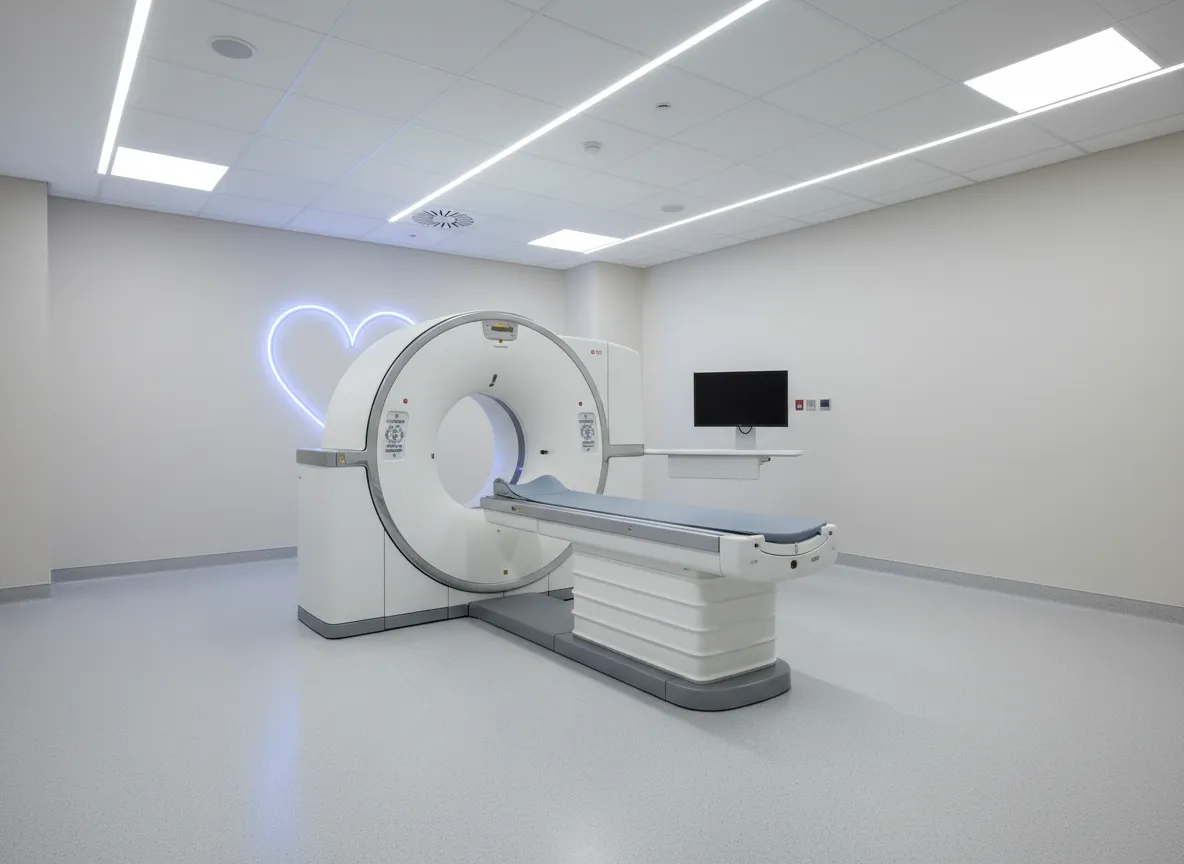
Heart disease is often silent until a heart attack or serious event occurs. A coronary artery calcium (CAC) score is a simple, non-invasive CT scan that measures calcified plaque in your heart arteries and helps clarify your long-term risk.
What Is Calcium Scoring?
A coronary artery calcium score uses a fast, low-radiation CT scan to measure hardened plaque in your coronary arteries. No IV contrast is needed, and the scan itself typically takes just a few minutes. The result is a numeric score that helps estimate your chance of future heart events.
Who Should Consider CAC?
Adults age 40 or older with intermediate or uncertain heart risk; people with a family history of early heart disease; those with elevated cholesterol or borderline risk scores; and individuals and physicians who are unsure whether to start statin therapy.
Why Calcium Scoring Matters
Higher calcium scores generally signal higher risk of future heart events. Knowing your score can support earlier lifestyle change, more focused discussions about cholesterol and blood pressure, and personalized prevention strategies. For some people, a score of zero can be reassuring and may influence how aggressively to treat risk factors.
The ABCDE+S Risk Profile
A – A1C: Blood sugar and diabetes control.
B – Blood pressure: Keeping numbers in target range.
C – Cholesterol: Managing LDL, HDL, and triglycerides.
D – Diet: Reducing sodium and processed foods, emphasizing whole foods.
E – Exercise: Regular movement suited to your condition.
S – Screening: Tests like CAC scoring to refine your risk picture.
If you live in Lake Charles, Southwest Louisiana, or nearby Texas communities and wish to better understand your heart risk, ask your physician whether a coronary artery calcium score is appropriate for you.
Bloodless Cardiac & Thoracic Surgery in Louisiana
Many patients seek to avoid blood transfusions during heart or lung surgery—for personal, medical, or religious reasons. Dr. Daniel L. Beckles respects these convictions and partners with patients to design blood conservation strategies that align with their values while maintaining a strong focus on safety.
An early conversation allows time to clarify which blood products and techniques you accept, and to coordinate with the full care team.
Our Bloodless Approach
- Preoperative anemia correction when possible, including iron therapy and other measures as appropriate.
- Use of minimally invasive and robotic techniques when suitable, to reduce incision size and blood loss.
- Meticulous hemostasis in the operating room, including careful vessel control and tissue handling.
- Protocols focused on reduced blood utilization, clear documentation of your wishes, and close communication with anesthesia.
Jehovah’s Witness Patients
For Jehovah’s Witness patients, early, detailed discussion is essential. Dr. Beckles collaborates closely with you to define which products and techniques are acceptable, documents these clearly in your chart, and communicates them to the entire care team. The goal is to honor your beliefs while pursuing the safest possible strategy for your heart or lung condition.
Questions Patients Often Ask
Every cardiac journey is unique. These answers offer general guidance, but your consultation with Dr. Beckles will focus on your specific diagnosis, test results, and goals.
How do I know if I need heart surgery versus stents or medication alone?
The decision depends on the location and severity of blockages, how many arteries are involved, your symptoms, heart function, diabetes status, and overall health. During consultation, Dr. Beckles reviews your angiogram, echocardiogram, and risk profile and explains why CABG, stents, or medical therapy may be recommended for you. Dr. Beckles is part of a multidisciplinary "Heart Team" which will include conversations with your primary care and cardiologists doctors.
Can I get a second opinion if another center has already recommended surgery?
Yes. A second opinion is especially helpful if you feel rushed, were told you are too high risk, or want to confirm a recommendation for CABG, valve surgery, lung surgery, or aortic surgery. Virtual second opinions are available with secure image and record upload where possible. This maybe a life or death decision.
How long is recovery after open-heart surgery?
Most patients stay in the hospital several days, including time in the ICU, followed by several weeks of home recovery. Many benefit from cardiac rehabilitation to safely rebuild strength. Recovery may be shorter for some minimally invasive procedures and longer for complex or emergent surgery.
Do you offer minimally invasive or robotic options?
Yes, when anatomy and safety allow. This includes minimally invasive CABG, valve surgery, and hybrid procedures. Not every patient is a candidate; your imaging and risk factors are reviewed carefully before recommending a minimally invasive approach.
How are my personal beliefs about blood transfusion respected?
Before surgery, we discuss your preferences in detail, including which products and techniques you accept. These are documented clearly and communicated to the entire care team. Bloodless strategies, meticulous surgical technique, and minimally invasive options may be used to honor your wishes while maintaining safety.
Ready to Talk About Your Heart?
Whether you are planning elective CABG, facing complex valve or aortic surgery, seeking a second opinion, or considering bloodless options, you deserve a calm, thorough conversation with a surgeon you trust.
Serving Lake Charles, Southwest Louisiana, Southeast Texas, New Orleans, and the Caribbean region.
Contact Us
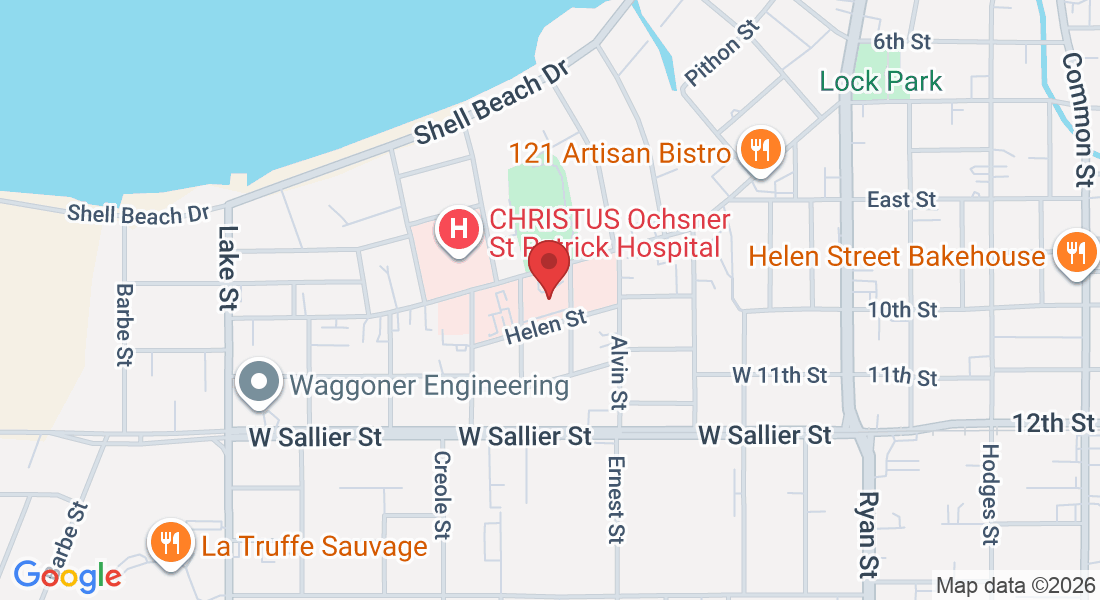
CHRISTUS Ochsner Health- St. Patrick Hospital
401 Dr. Michael DeBakey Drive,
Lake Charles, LA 70601
Tel: (337) 513-0100
Fax: (337) 315-0105